Lines Art: Timeless Simplicity in Diagonal Tile Patterns
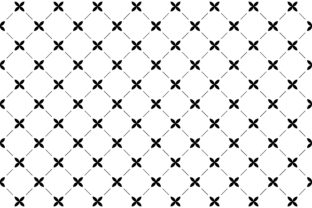
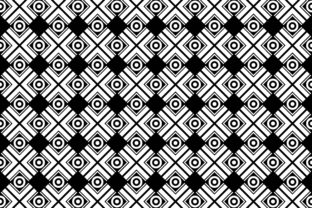
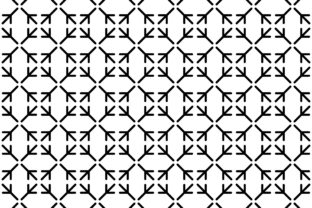
Lines Art is more than a visual motif—it’s a foundational design language rooted in rhythm, balance, and quiet sophistication. At its core, Lines Art uses deliberate, unbroken strokes to create movement and structure. One of its most versatile expressions is the diagonal tile line pattern vector: a seamless, repeating arrangement of crisp black lines on a pure white background. This minimalist configuration delivers maximum impact with minimal elements—ideal for creators who value clarity, scalability, and timeless appeal.
What Makes This Diagonal Tile Line Pattern Special?
This specific Lines Art variation stands out for three essential qualities:
- Seamless repeatability — Each tile aligns perfectly at its edges, enabling infinite tiling without visible seams or breaks. This isn’t just convenient—it’s critical for large-scale applications like wallpaper, flooring, or fabric yardage.
- High-contrast clarity — The stark black-on-white palette ensures legibility across sizes and mediums. Whether scaled down to a business card border or enlarged to a 20-foot trade show banner, every line remains sharp and intentional.
- Vector precision — Built as scalable vector graphics (not pixels), it retains flawless quality at any resolution. No blurring, no distortion—just clean geometry that adapts to your output needs.
Unlike ornate motifs that compete for attention, this Lines Art pattern works *with* your content—not against it. It provides structure without overwhelming, rhythm without repetition fatigue, and elegance without excess.
Where Does This Lines Art Pattern Truly Shine?
The strength of Lines Art lies in its adaptability. Its restrained aesthetic serves functional and expressive roles across industries—and not always in obvious ways.
Fabrics & Textiles
Designers use diagonal tile line patterns to add subtle texture to apparel, scarves, and upholstery. Because the lines are evenly spaced and angled at 45°, they create gentle visual flow—enhancing drape and movement without distracting from garment silhouettes. For sustainable fashion brands, this Lines Art motif also prints cleanly with low-ink dye processes, reducing environmental impact.
Floors, Carpets & Rugs
In interior spaces, a diagonal line pattern introduces directional energy. Unlike horizontal or vertical stripes—which can visually shorten or elongate a room—a 45° orientation subtly expands perception. Commercial offices use it in entryway carpets to guide foot traffic; boutique hotels apply it to stair runners for understated luxury. The black-on-white contrast also hides light wear while maintaining crispness longer than grayscale alternatives.
Wallpaper & Wall Graphics
As a feature wall treatment, this Lines Art pattern adds architectural interest without visual clutter. It pairs effortlessly with natural materials (wood, stone, linen) and modern finishes (matte metal, frosted glass). For rental properties or pop-up retail, removable peel-and-stick versions offer professional polish without permanent commitment.
Digital & Print Templates
Graphic designers embed this Lines Art into presentation decks, social media templates, and email headers as a refined framing device. A thin diagonal band along the top or bottom edge creates hierarchy and focus—drawing eyes toward headlines or calls to action. Because it’s vector-based, it resizes flawlessly across devices: desktop, tablet, and mobile.
Who Benefits Most From This Lines Art Approach?
While anyone can appreciate clean design, certain users find exceptional value in this particular Lines Art expression:
- Small business owners seeking cohesive branding—using the same diagonal tile line pattern across packaging, website backgrounds, and signage for instant recognition.
- Interior stylists and architects who rely on repeatable, neutral backdrops that support furniture, art, and lighting rather than compete with them.
- Print-on-demand creators uploading designs to platforms like Spoonflower or Redbubble—where seamless tiles ensure consistent results across hundreds of product types.
- Educators and workshop facilitators using the pattern as a non-distracting worksheet or slide background, helping learners stay focused on content.
- DIY crafters and gift designers applying it to wrapping paper, greeting cards, or stencils—its simplicity makes cutting, folding, and layering intuitive.
Real-World Uses You Can Try Today
You don’t need a design degree to start using Lines Art effectively. Here are practical, low-barrier ideas:
- Create a custom Zoom background — Export the diagonal tile line pattern as a high-res PNG and upload it to your video conferencing tool. It adds polish without revealing personal space.
- Upgrade your stationery — Add a narrow diagonal stripe to the top margin of letterhead or invoices. It signals professionalism while keeping costs low (one ink color, no complex layouts).
- Design reusable gift wrap — Print the pattern on cotton fabric, then sew into drawstring bags or furoshiki-style cloths. The black-on-white look reads as modern and eco-conscious.
- Build a brand mood board — Layer the Lines Art over photography or product mockups in Canva or Figma. Its neutrality helps unify disparate visuals under one aesthetic umbrella.
Things to Keep in Mind Before You Use It
Even elegant tools have context-dependent limits. Consider these practical notes:
While highly versatile, this Lines Art pattern may feel too minimal for audiences expecting warmth or playfulness—think children’s products or food branding. In those cases, pairing it with soft color overlays (e.g., a translucent blush wash) or integrating organic accents (hand-drawn dots, subtle grain textures) preserves its structure while adding approachability.
Also remember: contrast matters. On dark surfaces or colored substrates, invert the pattern (white lines on black) or adjust opacity—but test print samples first. What looks balanced on screen may shift dramatically on fabric or matte wallpaper.
Finally, licensing clarity is essential. If you’re sourcing this Lines Art pattern from a marketplace or designer, verify whether usage covers commercial distribution, resale items, or digital templates. Many vector files include extended licenses—but never assume.
How to Evaluate If This Lines Art Fits Your Project
Ask yourself three questions before committing:
- Does it serve a purpose beyond decoration? — Will it guide the eye, define zones, reinforce brand tone, or improve usability? If the answer is “just because it looks nice,” pause and explore intent-first alternatives.
- Will it scale predictably? — Test the file at both thumbnail size (for social avatars) and full bleed (for banners). Vector formats should hold up—but preview how line weight behaves when reduced to 2px height.
- Does it coexist well with your other elements? — Overlay it temporarily on a photo, logo, or text block. Does readability improve—or suffer? Strong Lines Art enhances; weak implementation competes.
When aligned with intention, this diagonal tile line pattern becomes more than background noise. It becomes infrastructure—quiet, confident, and consistently useful.
Final Thought: Simplicity With Substance
Lines Art endures because it respects the viewer’s attention. In an age of visual overload, choosing restraint—like a precise black diagonal line on white—isn’t minimalism for its own sake. It’s clarity made visible. Whether you’re printing carpet for a clinic, designing packaging for a skincare line, or building a portfolio site, this Lines Art pattern offers reliability without compromise. It doesn’t shout. It anchors. And in doing so, it gives your work room to breathe—and be seen.