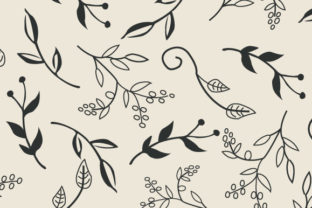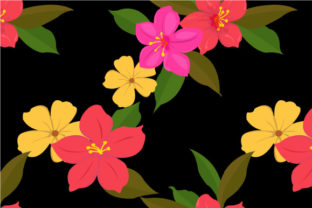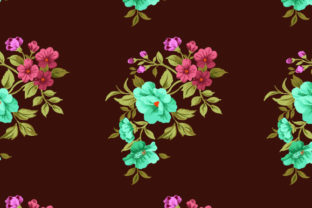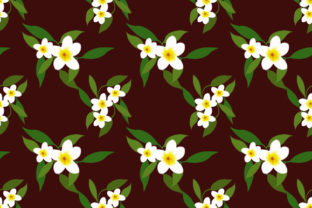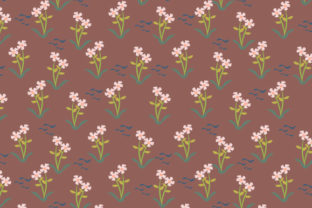
Floral Pattern Background: Small-Flower Designs That Work Across Textiles, Print, and Digital
Small-flower seamless floral patterns are no longer just nostalgic motifs reserved for vintage tea towels or grandmother’s wallpaper. Today, they’re a quiet but powerful design asset—functional, adaptable, and deeply resonant across industries. A well-crafted Floral Pattern Background with delicate, repeating blooms offers more than visual charm: it delivers consistency at scale, supports brand cohesion, and meets rising expectations for tactile authenticity in both physical and digital experiences.
Why Seamless Floral Patterns Matter Now More Than Ever
Modern workflows demand flexibility without compromise. Designers, textile developers, and small-business owners routinely juggle multiple outputs—cotton fabric for tote bags, gift wrap for e-commerce bundles, wallpaper samples for interior clients, and digital assets for social posts or email headers. A truly seamless floral pattern eliminates visible repeats, distortion, or scaling artifacts—so the same file performs equally well on a 48-inch-wide roll of fabric and a 1080×1080 Instagram post.
This isn’t about convenience alone. It reflects a broader shift toward integrated creative practice: fewer silos between print and digital, less time spent manually tiling or adjusting resolution, and more focus on storytelling, color strategy, and user experience. The rise of print-on-demand platforms, direct-to-consumer packaging, and personalized stationery has made high-quality, production-ready patterns a baseline expectation—not a luxury.
From Cotton Fabric to Scrapbooking: Where Small-Flower Backgrounds Add Real Value
Small-scale floral motifs excel where subtlety and repetition matter. On cotton fabric, tight clusters of daisies, violets, or forget-me-nots lend texture without overwhelming—ideal for quilting cotton, garment linings, or reusable produce bags. Their density provides coverage while preserving breathability and drape. In contrast, oversized florals often sacrifice wearability or print fidelity at smaller scales.
In home interiors, these patterns translate seamlessly (pun intended) to wallpaper—especially in compact spaces like powder rooms or kitchen backsplashes. Their rhythm creates visual calm rather than clutter. For gift wrapping and postcards, a soft floral background adds warmth and intentionality; consumers increasingly associate such details with care and craftsmanship—key differentiators in crowded online marketplaces.
Scrapbooking and paper crafts benefit too. Unlike bold graphic patterns, small-flower backgrounds provide gentle visual support for photos and handwritten journaling. They don’t compete—they complement. And because they’re inherently modular, they adapt effortlessly to varied page sizes, sticker sheets, or die-cut elements.
Practical File Choices: Why EPS + JPG Covers Real-World Needs
The inclusion of both vector (EPS) and raster (JPG) formats isn’t just standard practice—it addresses distinct, non-negotiable use cases. The EPS file preserves infinite scalability and editability: essential for textile mills adjusting repeat dimensions, screen printers modifying spot colors, or branding teams integrating the pattern into larger layouts. You can extract individual blossoms, recolor stems, or adjust spacing without pixelation.
The JPG version serves immediate, high-fidelity needs: mockup rendering, web previews, client presentations, or quick uploads to print services that don’t accept vector files. Its optimized resolution ensures crisp output up to common large-format print sizes (e.g., 24×36″ posters or 36″-wide fabric swatches), without bloated file sizes or compatibility hiccups.
Neither format replaces the other—they coexist purposefully. Relying solely on JPG risks quality loss in production; using only EPS slows down fast-turnaround digital work. Having both means you’re prepared—not reactive.
Evolving Expectations: Simplicity, Sustainability, and Sensory Appeal
Design preferences have quietly pivoted. After years of maximalist layering and saturated palettes, many creators and consumers now seek grounded, breathable aesthetics—patterns that feel intentional, not imposed. Small-flower backgrounds deliver that. They suggest care in curation, not excess in execution.
This aligns with sustainability-minded practices, too. On textiles, subtle patterns show less wear over time—fading is less noticeable, stains blend more easily, and versatility extends garment or home-good lifecycles. In packaging, a refined floral background signals premium intent without resorting to foil stamping or plastic lamination—reducing material complexity and end-of-life burden.
There’s also a sensory dimension. When printed on uncoated cotton or recycled paper stock, fine floral details catch light softly. They invite touch. That matters—especially as digital fatigue grows and people gravitate toward tangible, human-scaled design choices.
Realistic Integration Tips for Creators and Businesses
You don’t need a full rebrand to begin using small-flower seamless patterns effectively. Start with low-risk, high-impact applications:
- Product photography backdrops: Use the JPG version as a subtle studio surface for flat-lays—no need for physical props or complex lighting setups.
- Email newsletter headers: Crop a 1200×300px section of the pattern to add warmth without distracting from copy.
- Custom fabric labels: Import the EPS into embroidery software or textile design tools to create woven or printed care tags with embedded brand identity.
- Print-on-demand testing: Upload the JPG to platforms like Spoonflower or Printful to preview how the pattern renders on canvas, organic cotton, or kraft paper before committing to bulk runs.
For educators and hobbyists, this pattern type also works well in skill-building contexts—teaching repeat construction, color theory through analogous palettes, or even basic vector editing in Adobe Illustrator or Affinity Designer. Its clarity makes underlying structure easy to observe and modify.
Looking Ahead: Not a Trend, But a Tool That Endures
Small-flower seamless patterns aren’t surging because they’re “in.” They’re gaining traction because they solve persistent, cross-disciplinary problems: scalability, adaptability, emotional resonance, and production readiness. They reflect a maturing design culture—one that values utility alongside beauty, and longevity over virality.
As AI-assisted design tools grow more capable, the value of thoughtfully crafted, human-intended patterns increases—not decreases. Algorithms can generate endless variations, but they rarely understand context: how a petal’s curve affects thread tension on cotton twill, or how a 3mm bloom translates to legibility on a 2×3″ postcard. That nuance comes from observation, iteration, and real-world testing.
So whether you’re developing a capsule collection of linen napkins, designing a limited-run stationery line, or sourcing wallpaper for a boutique hotel renovation, a versatile Floral Pattern Background rooted in small, repeatable florals isn’t just decorative. It’s infrastructure—quiet, reliable, and ready to support what comes next.